
the Yelia coffee project
Building a sustainable local economy around specialty coffee, reforested land, and rainforest protection
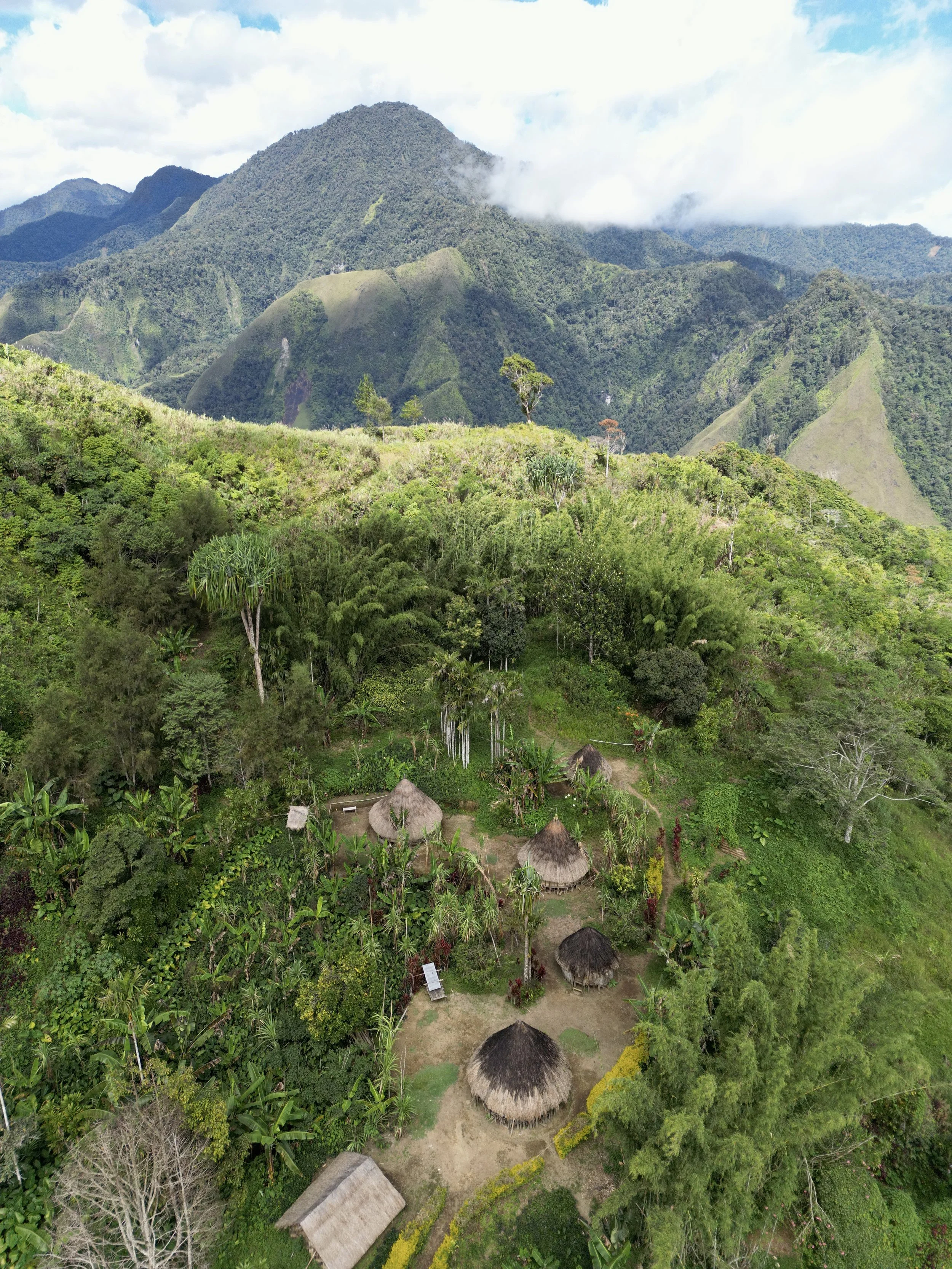
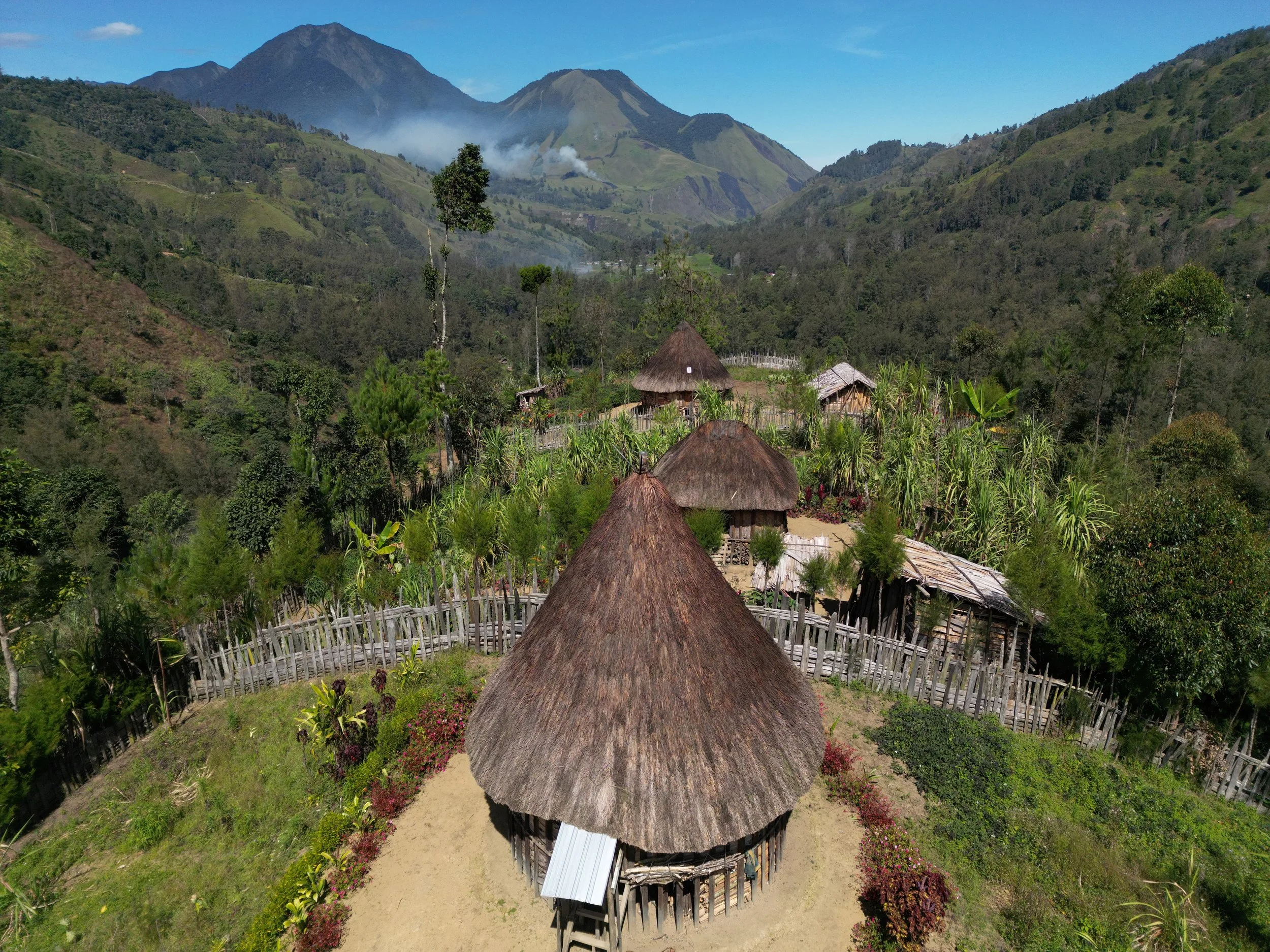
The Yelia Landscape
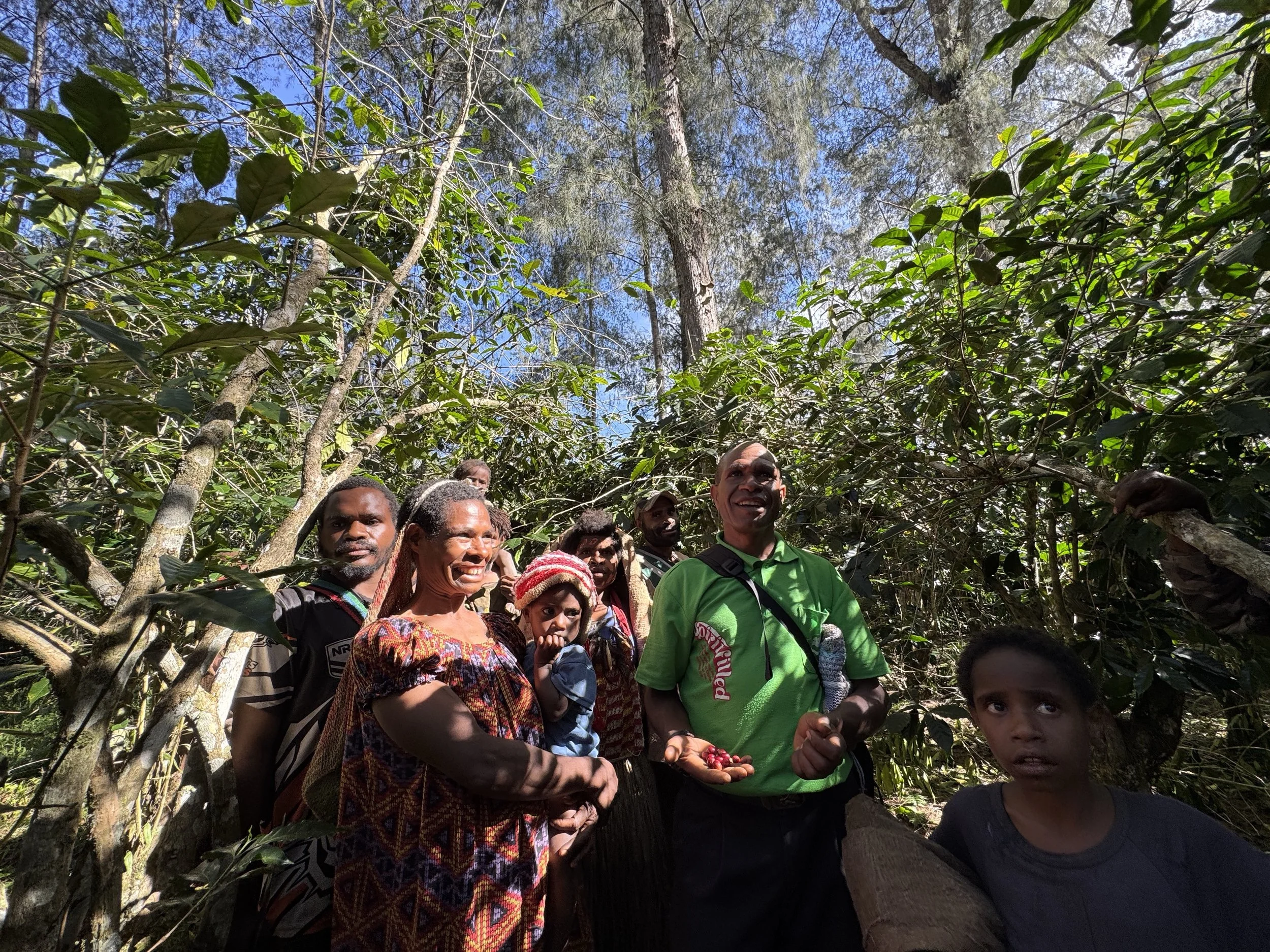
Yelia grows the kind of coffee the specialty market says it wants: typica genetics, high elevation, layered canopy shade, volcanic soil, grown by smallholder farmers in a landscape where family coffee gardens butt up against primary rainforest.
Across Yelia LLG in the Eastern Highlands, communities have kept producing coffee in one of Papua New Guinea’s most isolated mountain landscapes. Some villages can be reached by 4×4 road. Others require days on foot or small aircraft landing on hand cut grass airstrips.
Coffee came to Yelia in the 1970s, when Blue Mountain Typica seedlings were planted beneath nitrogen fixing shade trees and slowly became part of village life. The quality has been present for generations, and the market pathway is now ready to be built around it.


Our Vision for Yelia
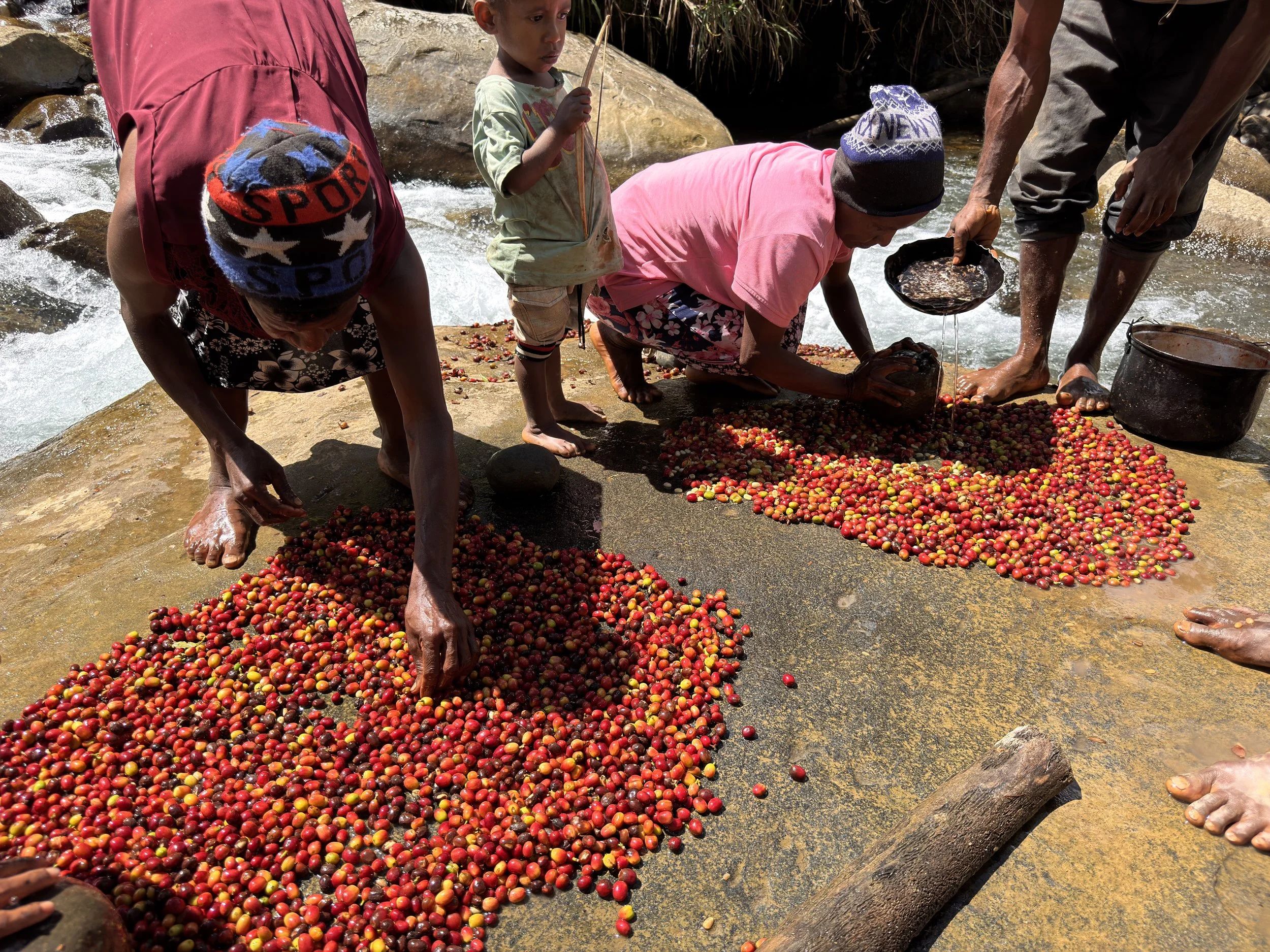
The Yelia Integrated Coffee Project begins by building a stronger specialty coffee supply chain through better harvesting, cleaner processing, lot separation, traceability, simple post harvest tools, and premium offtake agreements that returns more income to farmers.
The second pathway is restoration. Around established villages, some customary land has been worn down through shortened fallow cycles, repeated cultivation, and loss of tree cover. New coffee agroforestry systems can restore those areas, improve soil, increase tree biomass, and create a pathway for carbon revenue over time.
The land use principle is simple: new production belongs on degraded land, existing shaded coffee gardens stay intact, and primary forest remains protected from expansion pressure and leakage.

The Cost of Isolation
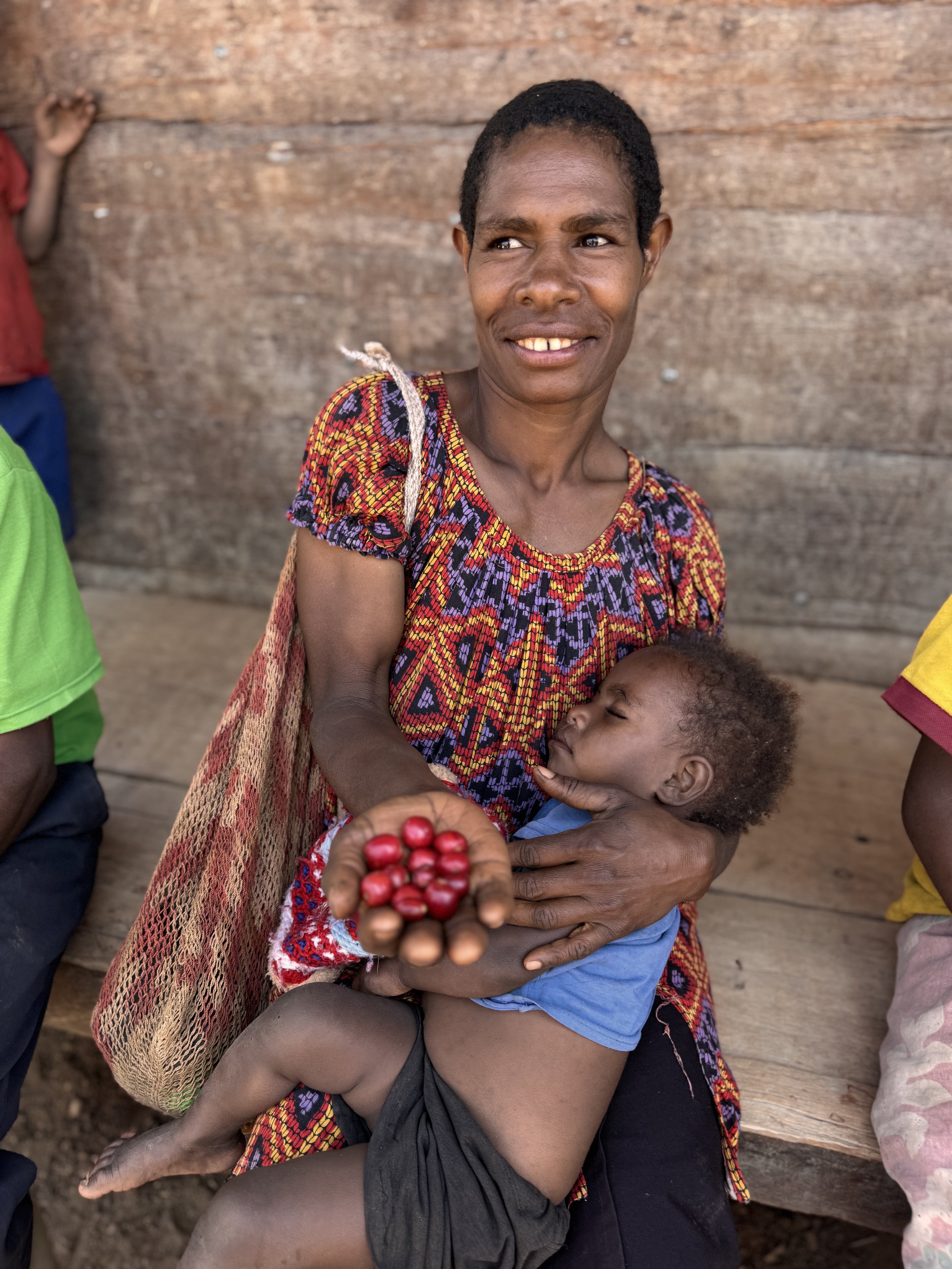
Yelia’s isolation shapes every part of the coffee economy. When prices are high enough, coffee can move out and still return income to families. When prices fall, the economics collapse. In some years coffee has been burned, or thrown into rivers because transport cost more than the crop was worth.
Inside a commodity system, distance gives buyers too much power. Yelia’s farmers have had few practical export options, high transport costs, and limited ability to negotiate once coffee leaves the village. That has made it easy for value to be captured elsewhere, even when the coffee has the quality, landscape, and story specialty buyers seek. For Yelia, coffee pays school fees, medical costs, and the basic store goods that subsistence life alone cannot provide. When the market underpays Yelia, the impact is felt by every household across the landscape.
The Project Pathway
Yelia has waited long enough for the market to recognize the value of this extraordinary place: exceptional coffee, intact rainforest, and Indigenous smallholder farming communities who have kept believing in the promise of coffee through decades of isolation and limited market access.
The concept below shows how Yelia can move from overlooked origin to investable landscape.