
BOSAVI
PROJECT
The BOSAVI Landscape
In 1996, the Kasua people of Bosavi rejected logging and chose to keep their forest standing. Now, 30 years later, that forest remains intact. The world benefited from that decision. The Kasua did not.
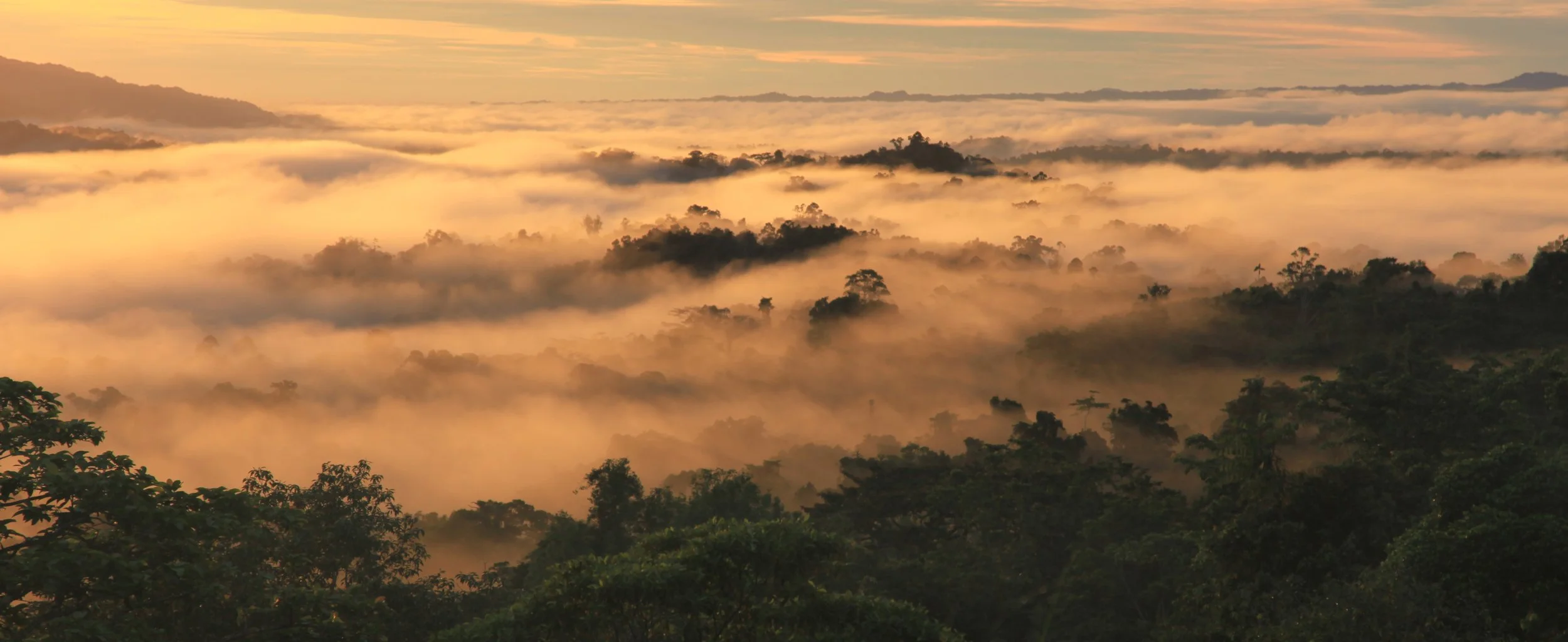
The Kasua landscape is a globally significant rainforest ecosystem and one of the most intact contiguous tracts of forests in Papua New Guinea. The Kasua people hold customary ownership over approximately 300,000 hectares of primary rainforest within the Bosavi region, including the entirety of Mount Bosavi crater. This forest has endured through long-term Indigenous stewardship, restraint, and care.
The Cost of Conservation
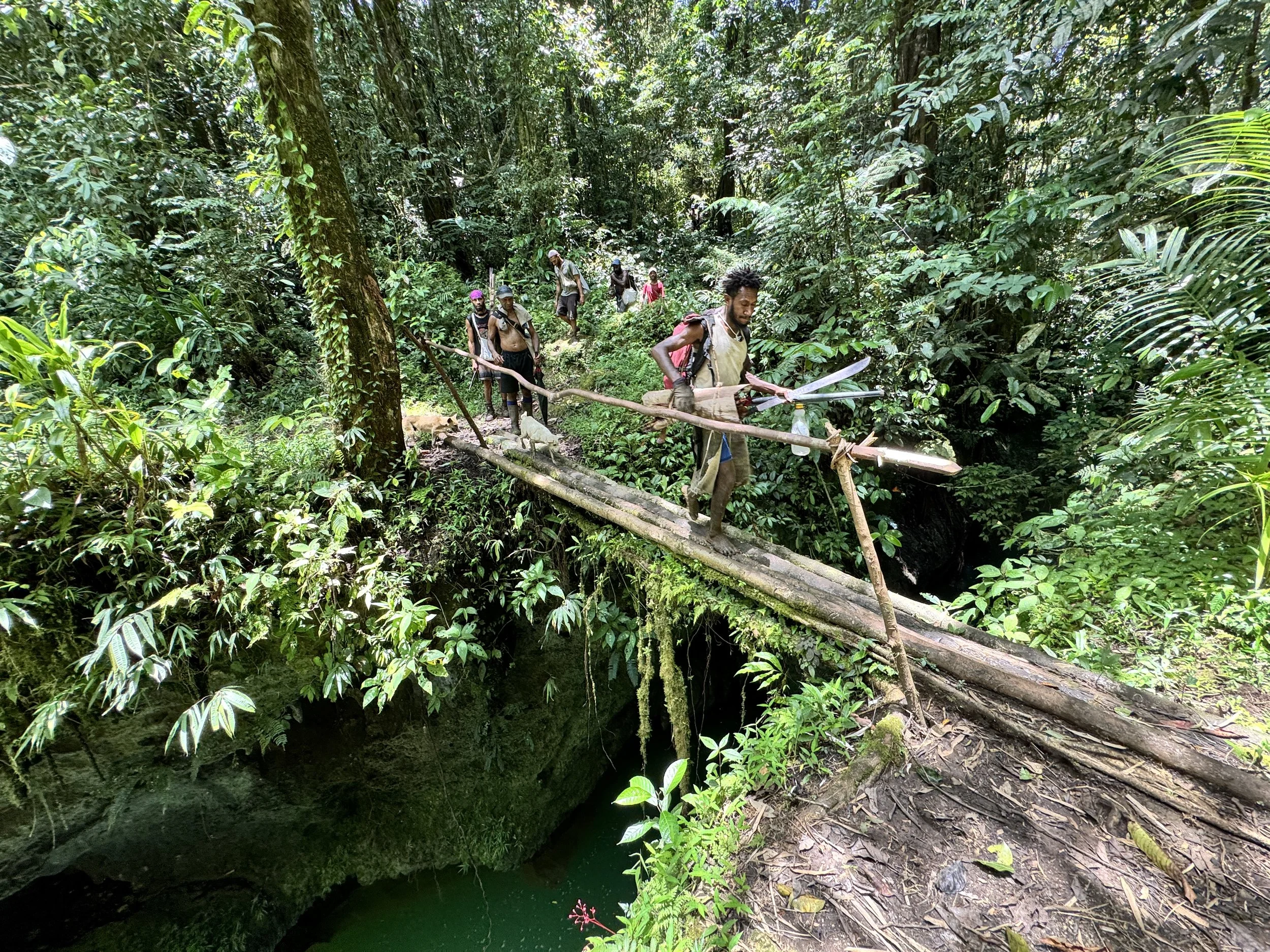
Despite protecting a forest of global importance, the Kasua live with virtually no access to health care, education, infrastructure, or economic security. Climate pressures are increasing, subsistence systems are under strain, and families absorb every strain alone.
For 30 years, the Kasua have maintained their conservation ethic through restraint, cultural obligation, and collective responsibility. That commitment has held. But no community, anywhere in the world, can be expected to carry the costs of global conservation indefinitely without support.
As pressures mount, the question is no longer whether Indigenous communities value their forests. It is whether existing systems are capable of valuing the people who protect them. This is the structural gap in conservation finance that Bosavi reveals clearly and that many intact Indigenous forest landscapes now face.

The Stewardship Response
The Kasua Bosavi Indigenous Stewardship Fund responds by starting where permanence actually begins: with people. When Indigenous communities are secure, forests endure. Permanence follows wellbeing, not accounting frameworks. Education, health, food security, and the ability to plan for the future are the conditions that allow conservation ethics to hold under pressure and across generations.
Bosavi is the beginning. It is a place where decades of voluntary Indigenous stewardship and an intact rainforest converge with mounting pressure and limited time. Avoided emissions offsets have become mired in controversy, slowing action and stalling many well-intentioned efforts while intact Indigenous forests remain unprotected by meaningful finance. This initiative seeks to move beyond offsets while remaining grounded in scientifically verified ecological results, focusing on what ultimately determines permanence: whether Indigenous custodians are supported to continue protecting their land before that window closes.
A Foundation for Action
The Kasua Bosavi Indigenous Stewardship Fund concept note sets out the context for this work and the wider challenge it responds to. It documents the Kasua conservation history, the scale and integrity of the Bosavi landscape, and the structural limits of existing climate and nature finance that affect intact Indigenous forests worldwide. It then outlines a stewardship-based pathway grounded in Indigenous wellbeing and long-term forest permanence.
The document is shared as a working foundation for partners, institutions, and funders prepared to engage with the scale and accountability required to support intact Indigenous forests across generations, not funding cycles.